Why Optimize Your Morning Routine with Smart Technology
Most people waste between 30 minutes and 1 hour in the mornings without a structured system.Smart devices turn that time into genuine productivity by automating repetitive tasks and creating a natural flow from the alarm clock to leaving the house.
When you integrate smart home into your morning routine, you can control lighting, temperature, music, and even coffee with a single voice or touch command. This reduces unnecessary decisions and frees up mental energy for tasks that really matter 'DOU planning the day, exercise, or quiet meal.
The data shows that people with automated routines report 40% more satisfaction with their mornings and start the day with more balanced cortisol levels.
The Essential Devices to Automate Your Morning
Voice Assistant (Alexa, Google Home or Siri)
A voice assistant is the backbone of any smart morning routine.It works as a conductor, coordinating all other devices and responding to simple voice commands like "Alexa, good morning" to fire an entire sequence of actions.
You can program custom routines where a single controller activates lights, turns on the fan, adjusts the temperature to 22°C, plays your playlist and turns on the coffee maker. All in 3 seconds, without touching anything.
Smart Bulbs (Smart Bulbs)
Smart lights with brightness and color control completely change as you wake up. Instead of turning on a blinding white light, you can program a gradual awakening: it starts with 10% brightness in reddish tones, slowly increasing to cool-white in 10-15 minutes.
This cycle mimics natural dawn and greatly facilitates biological awakening. Studies show that waking up with gradual light reduces shock cortisol and improves morning mood by up to 30%.
Smart Thermostat
A connected thermostat learns your patterns and adjusts the temperature automatically. You can program to raise the room temperature by 2-3°C 30 minutes before waking up, making it easy to get out of bed, and then adjust the social environment to 21-22°C when you are getting ready.
Coffee Maker and Other Connected Appliances
Smart coffeemakers can be programmed to automatically turn on 5 minutes after your alarm clock. When you arrive in the kitchen, the coffee is ready. There are also toasters, electric kettles and even smart showers that maintain the perfect temperature.
Creating Your First Automated Morning Routine
Step 1: Set Your Ideal Awakening and Sequence Schedule
Start by identifying what time you really need to be awake and ready. If you leave home at 7:30 am, work backwards: 20 minutes of personal preparation, 15 minutes of coffee and meal, 10 to leave. Put the alarm for 6:45 am.
Now, draw your sequence: wake up with gradual light, temperature rising, motivational music starting low in volume, coffee maker turning on automatically.
Step 2: Set up Automatics in Your Ecosystem
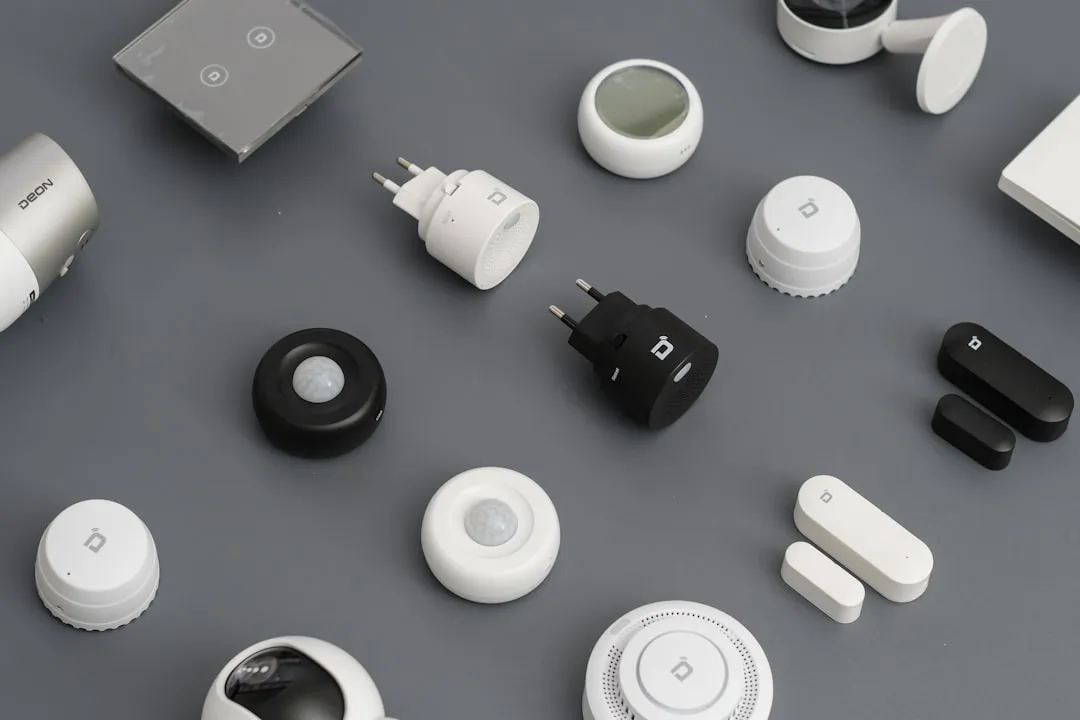
In most voice assistants (Alexa, Google Home), you go to the "Routines" or "Scenes" section and create a new scheduled event for your wake-up time. Add each device to the exact sequence you want, with time intervals between them if necessary.
Practical example: 6h45 10%; 6h47 6h Increase light to 60%; 6h49 10%; 6h50 6h50 6h50 (Connect coffee maker; 6h52 6h52 ^ Play morning playlist at low volume.
Step 3: Test and Adjust
Test your routine over the weekend a few times.You may find that the light gets too intense, or that the music plays too early, or that you need another 5 minutes between sequences.
Integrating Complementary Habits for Maximum Efficiency
Prepare Your Environment Night Previous
Smart routines work best when the physical environment is organized. Leave separate clothes, backpack/folder next to the door, keys in a fixed place. Technology automates what is possible to automate, but manual organization still saves precious 10-15 minutes.
Use Data to Refine Your Routine
Many smart devices track patterns: time you woke up, how long it took you to leave the house, sleep quality recorded on the smartwatch. Review this data monthly and adjust your routine as you learn about your personal patterns.
If you notice that Tuesdays are always late, you may need to adjust the wake-up time or simplify the morning sequence on that day.
Climbing: Advanced Routines with More Devices
Once you demonstrate basic control with light, temperature and audio, consider adding: smart door lock (to check if it closed), security camera (quick street/entry check), smart mirror (news, weather, calendar), and even your smart scale for morning weight and health tracking.
The trick is not to add everything at once.Each new device adds complexity; add only when you feel fully comfortable with the previous ones.
Saving Energy and Maintaining Safety
Standby devices still consume power. Set your thermostat to return to a neutral temperature 30 minutes after you leave the house. Lights should automatically turn off 15 minutes after detecting that you left the room.
In terms of security, use strong passwords across all apps, enable two-factor authentication in your voice assistant, and review permissions regularly.Do not share smart home credentials even with close family members.
Optimized morning routines with smart devices are not luxury: they are investment in time, quality of life and productivity. Start small, test, learn from your data, and gradually scaled.In a few months, your morning will be unrecognizable & QUIETer, more efficient and genuinely yours.