What is Blockchain and Cryptocurrencies?
Blockchain is a distributed ledger technology that functions as a decentralized digital ledger.Each transaction is grouped into encrypted blocks, connected in a chain, creating an immutable and transparent history.No central authority controls the network; it is maintained by thousands of computers (nodes) simultaneously.
Cryptocurrencies are digital currencies that use blockchain technology to ensure security and authenticity.Bitcoin, created in 2009, was the first and remains the most valuable.Today there are thousands of cryptocurrencies, each with different characteristics and purposes.
In Brazil, the crypto market grew 450% between 2020 and 2023, according to data from the Central Bank.Regulation is underway, making this the ideal time to understand the fundamentals before investing.
How Blockchain Technology Works
Blockchain works through a process called mining or validation. When you make a transaction, it is transmitted to the network, verified by validators, and then confirmed, added to a new block.This block receives a unique cryptographic code called a hash, which connects it to the previous block.
If someone tries to modify a past transaction, the hash of that block would change, breaking the entire chain. This makes the blockchain virtually impossible to spoof decentralised: there is no central server that can be hacked or controlled by a single entity.
There are two main types of blockchains: public (Bitcoin, Ethereum) and private.Publics are open to anyone; private ones limit access and validators.Most popular cryptocurrencies use public blockchains, increasing security through decentralization.
Top Cryptocurrencies for Beginners
Bitcoin (BTC)
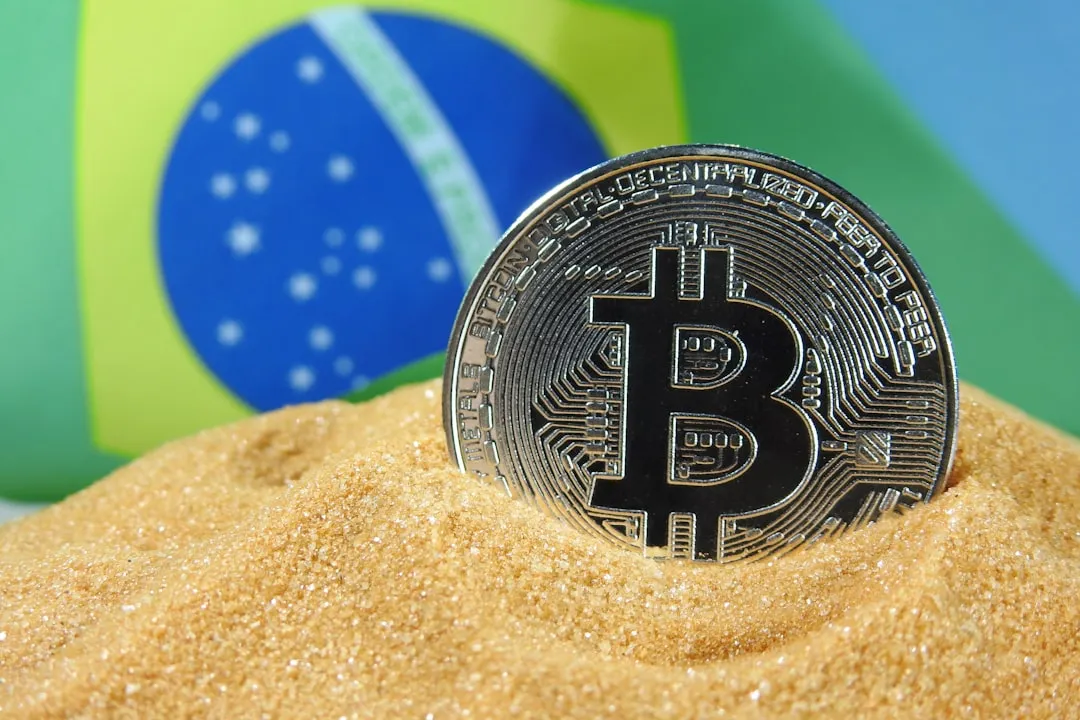
Bitcoin is the oldest and most recognized cryptocurrency globally. With a maximum supply of 21 million coins, its artificial scarcity contributes to the value. One Bitcoin cost less than R $ 100 in 2012; in 2024 it exceeds R $ 200 thousand value reserve, similar to digital gold.
Ethereum (ETH)
Ethereum is more than a currency: it is a platform for building decentralized applications (dApps) smart contracts Ethereum is the basis for tokens, decentralized finance (DeFi), and NFTs.
Stablecoins (USDT, USDC)
Stablecoins are cryptocurrencies pegged to real currencies, usually the dollar. Tether (USDT) and USD Coin (USDC) hold value close to 1 dollar. They are ideal for beginners because they eliminate volatility and facilitate fast international transfers without banking intermediaries.
How to Get Started: Step by Step
1. Choose a Broker or Wallet
In Brazil, the most popular options are brokers regulated as Coinbase, Binance and Kraken. These platforms allow you to buy cryptocurrencies with reais via PIX, bank transfer or credit card. Check that the platform has a license from the Central Bank before using.
Local alternatives include Bitcoin and Foxbit Market, which have been operating for years and are known for security. Compare transaction fees: range from 0.5% to 2% depending on the payment method.
2. Configure Security
Never use simple or reused passwords. Activate two-factor authentication (2FA) using apps like Google Authenticator or Authy & SMS is less secure. Some attacks against beginners occur for lack of this layer of protection.
Consider using one hardware wallet like Ledger or Trezor if you plan to hold cryptocurrencies in the long run. These wallets store your private keys offline, protecting against digital theft.
3. Start with Small Values
Bitcoin and Ethereum can vary 10-20% in a day. Do not invest money you need in the short term. Start with $100 to $500 to learn how the platform works, then gradually increase as your confidence grows.
4. Study Before Investing
Read whitepapers, watch educational videos on Brazilian crypto channels, and follow news. market momentum, regulatory events and technological developments reduce risks.Many beginners lose money by FOMO (fear of missing opportunities) instead of rational analysis.
Risks & Security
The crypto market is high-riskextreme volatility can cause rapid losses.Bitcoin has already fallen 60% in a year; altcoins can disappear completely.Invest only what you can afford to lose without compromising your finances.
Frauds are common: Ponzi schemes, rug pulls (creators steal funds) and phishing. Never share your private keys ''that string of numbers and letters that controls your coins.If someone has it, they can steal your assets without possible recovery.
Use only official websites and check URLs carefully.Fake links lead to cloned wallets that steal funds instantly.Enable login alerts on your broker to detect unauthorized access.
Trends and Future of the Market in Brazil
The Central Bank is developing a Real Digital (DREX), a state-owned cryptocurrency that will launch between 2024 and 2025. This will normalize the use of blockchain technologies in the country and may increase adoption of private cryptocurrencies as well.
DeFi (decentralized finance) grows rapidly.Platforms allow you to borrow and borrow cryptocurrencies, earning interest without banks.NFTs, although reduced in hype, continue in niches of art and games.
Brazil has an educated and growing crypto community.Taxes on cryptocurrency gains are being regulated, increasing legal certainty for local investors.The trend is gradual adoption, not substitution of the real, but as a complement in international transactions and investment.
Conclusion
Blockchain and cryptocurrencies have gone from being novelty to reality. Understanding the fundamentals of decentralization, what are the main currencies and how to protect your assets IS essential before investing.
Start small, study constantly and invest in safety. Brazil is in a privileged position to participate in this emerging market with increasing regulation and improving infrastructure. Patience and continuous education are your best allies in this journey.